Getting your first credit card can feel like a frustrating challenge. Many people are surprised to learn that lenders often want to see a credit history before approving a credit card application. But what if you have never borrowed money before and don’t have a credit score at all?
The good news is that yes, you can get a credit card with no credit history. In fact, many banks and financial institutions offer products specifically designed for people who are new to credit.
Whether you’re a student, a young professional, a recent immigrant, or simply someone who has never used credit before, this guide will explain everything you need to know about getting approved, building credit responsibly, and choosing the right card.
What Does “No Credit” Mean?
Having no credit means that there is little or no information about your borrowing behavior in the credit reporting system.
This usually happens when:
- You have never had a credit card.
- You have never taken out a loan.
- You have never financed a car or major purchase.
- You have not used any financial products that report to credit bureaus.
It’s important to understand that no credit is different from bad credit.
A person with bad credit has a history of missed payments or financial issues. Someone with no credit simply lacks a credit history altogether.
Many lenders consider no-credit applicants less risky than those with poor credit, which is why beginner-friendly credit cards exist.
Why Is Credit History Important?
Credit history helps lenders evaluate how likely you are to repay borrowed money.
Banks typically review factors such as:
- Payment history
- Existing debt
- Length of credit history
- Credit utilization
- Types of credit accounts
Without this information, lenders have limited data to assess risk. As a result, some traditional credit cards may be harder to obtain initially.
However, there are several alternatives designed specifically for people with no credit history.
Also Read: What Is an S&P 500 Index Fund? A Complete Beginner’s Guide
Can You Really Get a Credit Card With No Credit?
Yes, absolutely.
Many financial institutions understand that everyone starts somewhere. They offer credit cards intended for first-time borrowers and individuals who need to establish a credit profile.
Common options include:
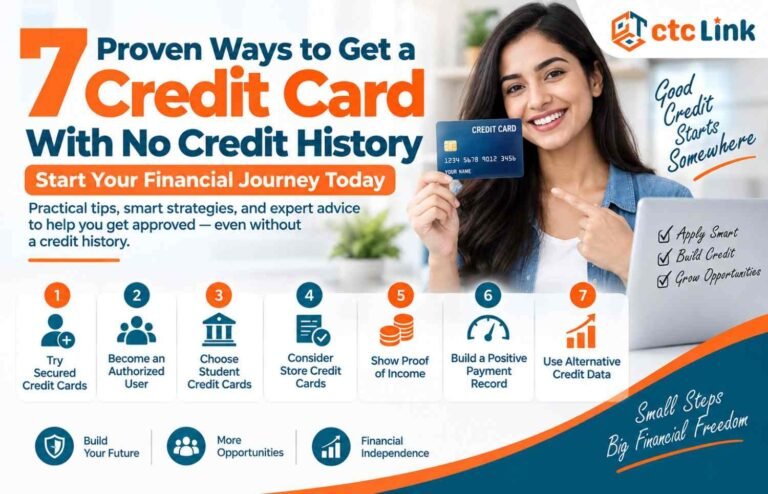
- Secured credit cards
- Student credit cards
- Starter credit cards
- Retail store credit cards
- Credit-builder cards
The approval process for these products is generally more flexible than for premium rewards or travel credit cards.
Best Types of Credit Cards for People With No Credit
1. Secured Credit Cards
A secured credit card is often the easiest way to begin building credit.
With a secured card, you provide a refundable security deposit. This deposit usually determines your credit limit.
For example:
- Security deposit: $300
- Credit limit: $300
The card works similarly to a traditional credit card. You can make purchases, receive monthly statements, and build credit by making payments on time.
Benefits of Secured Credit Cards
- Easier approval process
- Helps establish credit history
- Reports activity to credit bureaus
- Opportunity to upgrade to an unsecured card later
Many financial experts recommend secured cards as the best starting point for beginners.
2. Student Credit Cards
Student credit cards are designed for college and university students who may have little or no credit history.
These cards often include:
- Lower credit limits
- Easier qualification requirements
- Cashback rewards
- Educational financial tools
If you’re currently enrolled in school, a student credit card can be an excellent option for building credit responsibly.
3. Starter Credit Cards
Some banks offer beginner credit cards specifically for first-time users.
These products typically feature:
- Simple approval requirements
- Low annual fees
- Basic rewards programs
- Credit-building opportunities
Starter cards can help establish a positive payment history while providing access to everyday credit.
4. Retail Store Credit Cards
Many retail stores offer store-branded credit cards with less stringent approval standards.
These cards may provide:
- Shopping discounts
- Promotional financing offers
- Loyalty rewards
However, store cards often carry higher interest rates, so they should be used carefully.
How to Improve Your Chances of Approval
Even if you have no credit history, there are several ways to strengthen your application.
Show Stable Income
Lenders want evidence that you can repay borrowed money.
Sources of income may include:
- Full-time employment
- Part-time jobs
- Freelance work
- Self-employment income
- Allowances (where permitted)
A stable income can significantly improve your approval odds.
Apply for the Right Card
One of the biggest mistakes beginners make is applying for premium rewards cards that require excellent credit.
Instead, focus on cards specifically designed for individuals with limited or no credit history.
Limit Multiple Applications
Submitting many credit card applications within a short period may create concerns for lenders.
Research your options carefully and apply only for cards that match your credit profile.
Consider a Co-Signer or Authorized User Status
In some cases, becoming an authorized user on a trusted family member’s credit card may help establish credit history.
The primary cardholder’s responsible payment behavior may positively influence your credit profile.
How to Build Credit Once You’re Approved
Getting approved is only the first step. Building strong credit requires responsible usage over time.
Pay Your Bills on Time
Payment history is one of the most important factors affecting your credit score.
Always pay at least the minimum amount due before the deadline.
Setting up automatic payments can help avoid missed due dates.
Keep Balances Low
Experts generally recommend keeping credit utilization below 30% of your available credit limit.
For example:
- Credit limit: $1,000
- Recommended balance: Below $300
Lower utilization demonstrates responsible credit management.
Use the Card Regularly
Small recurring purchases can help maintain account activity.
Examples include:
- Mobile phone bills
- Streaming subscriptions
- Grocery purchases
- Fuel expenses
Regular use combined with timely payments helps build a positive credit profile.
Avoid Maxing Out Your Credit Limit
Using your entire available limit may signal financial stress to lenders.
Keeping balances low can improve your credit score over time.
Common Mistakes First-Time Cardholders Should Avoid
Missing Payments
Late payments can damage your credit history and result in additional fees.
Carrying Large Balances
High balances increase credit utilization and may negatively affect your score.
Applying for Too Many Cards
Multiple applications in a short period may reduce approval chances.
Ignoring Statements
Always review monthly statements to monitor spending and identify any unauthorized transactions.
Spending Beyond Your Means
A credit card is a financial tool—not extra income.
Only spend what you can afford to repay.
How Long Does It Take to Build Credit?
Building credit is a gradual process.
Many people begin seeing a credit score after several months of responsible credit activity.
Factors influencing credit growth include:
- Payment consistency
- Account age
- Credit utilization
- Number of accounts
With responsible use, a strong credit profile can develop over time.
Benefits of Building Credit Early
Establishing credit can provide significant financial advantages in the future.
Good credit may help you:
- Qualify for better credit cards
- Obtain lower interest rates
- Secure personal loans
- Qualify for mortgages
- Rent apartments more easily
- Access higher credit limits
Building credit early can create more financial opportunities later in life.
Is a Credit Card the Only Way to Build Credit?
No.
Other credit-building options include:
- Credit-builder loans
- Auto loans
- Student loans
- Authorized user accounts
However, credit cards remain one of the fastest and most accessible ways to establish credit history when used responsibly.
Final Thoughts
If you’ve been wondering whether you can get a credit card with no credit, the answer is yes. While approval for premium credit cards may be difficult without a credit history, many beginner-friendly options are available.
Secured credit cards, student credit cards, and starter credit cards provide excellent opportunities to establish a positive credit profile. By making payments on time, maintaining low balances, and using your card responsibly, you can gradually build strong credit and unlock better financial opportunities in the future.
Remember that building credit is a marathon, not a sprint. Consistent responsible behavior today can lead to greater financial flexibility and borrowing power tomorrow.
Frequently Asked Questions (FAQs)
1. Can I get a credit card if I have no credit history?
Yes. Many banks offer secured, student, and starter credit cards specifically for people with no credit history.
2. What is the easiest credit card to get with no credit?
Secured credit cards are generally considered the easiest credit cards to obtain for first-time applicants.
3. Will a secured credit card help build credit?
Yes. Most secured credit cards report payment activity to credit bureaus, helping establish and improve credit history.
4. How long does it take to build credit from scratch?
Many people begin generating a credit score within a few months of responsible credit usage.
5. Can I get approved without a job?
Some issuers may consider alternative sources of income, but having a stable income generally improves approval chances significantly.
About the Author