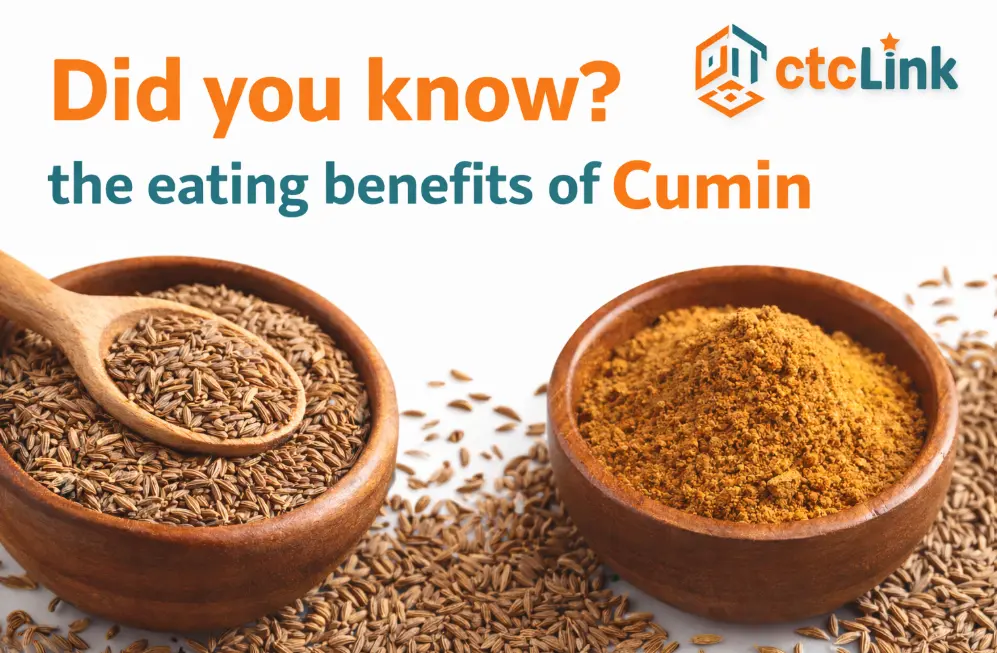
Cumin is one of those everyday kitchen spices that tend to be undersung. A staple across almost every Indian household, this small wonder packs quite a punch both for the taste-bud and health. Cumin is a time tested spice that has been employed in traditional recipes and Ayurvedic medicine for centuries, which helps to improve digestion and boost immunity. But do you know that just a pinch or two of cumin spice in your daily foods can be powerful in keeping healthy?
In this post, we’re going to dig into the eating benefits of cumin: what it does in your body and why you should include it as a regular part of your diet.
What Is Cumin?
Cumin, or Cuminum cyminum, is a family of flowering plant in the parsley species whose seeds are dried and used as spice. It is warm, earthy in smell and has a slightly bitter taste. It is widely used in Indian, Middle Eastern, Mexican, and Mediterranean cooking.
Whether in whole seed or dried powder, added to water, cumin is not just a spice that imparts its deep rich flavour but also has numerous health benefits.
Nutritional Value of Cumin
Cumin may be small in size, but it is rich in essential nutrients. It contains:
- Iron
- Calcium
- Magnesium
- Potassium
- Vitamin B6
- Antioxidants
- Dietary fiber
These are important nutrients for promoting digestion, metabolism, and immunity.
Top Eating Benefits of Cumin
Improves Digestion Naturally
One of the popular health benefits of eating cumin is that it aids digestion. It promotes the release of digestive enzymes which can break down food more effectively.
- Reduces bloating and gas
- Relieves indigestion
- Improves gut health
Eating cumin on a regular basis will also reduce your risk of experiencing stomach pain, especially after meals.
Increases Metabolism and Weight Loss
Cumin is an ingredient commonly used in weight loss diets, and with good reason. It increases metabolism and aids in fat digestion.
Studies suggest that cumin can:
- Reduce body fat
- Improve insulin sensitivity
- Control appetite
Cumin water can be enjoyed on an empty stomach early in the morning because it is a renowned remedy for losing weight.
Rich Source of Iron
Cumin offers a rich plant-based source of iron, which is particularly useful for those with anemia or iron deficiency.
Iron helps:
- Increase hemoglobin levels
- Enhance the flow of oxygen within the blood
- Reduce fatigue and weakness
Add cumin to meals daily for improved energy.
Strengthens Immunity
Cumin has antioxidants and antimicrobial properties that help the body fight infections.
Eating cumin:
- Guards against coughs and the common cold
- Supports the immune system
- Aids the body in fighting harmful bacteria
Its antioxidant properties also decrease oxidative stress within the body.
Controls Blood Sugar Levels
For those with diabetes or at risk, cumin can be especially helpful. By enhancing the action of insulin, it helps promote healthy blood sugar levels.
Regular consumption of cumin may:
- Lower fasting blood sugar
- Reduce insulin resistance
- Support long-term glucose control
This makes cumin a diabetes-friendly spice. “It helps lower blood sugar levels,” the expert adds.
Improves Heart Health
Cumin is cardiotonic and has a multi-prong effect in helping cardiac health. It lowers bad cholesterol (LDL) and raises good cholesterol (HDL).
Benefits for heart health include:
- Lower cholesterol levels
- Improved blood circulation
- Reduced risk of heart disease
Its potassium also helps regulate blood pressure.
Enhances Brain Function and Memory
Both have compounds that stimulate the nervous system. Growing cumin or caraway and both overthrow a headache. This has a positive effect on focus, memory, and mental alertness.
Regular intake may:
- Reduce stress and anxiety
- Improve sleep quality
- Support cognitive function
Cumin has been well-known to ancient medicine for centuries for its ability in calming the mind and improving focus.
Supports Liver Detoxification
The liver is vital for body detox, and cumin aids it very well.
Eating cumin helps:
- Flush out toxins
- Improve liver enzyme activity
- Support overall liver health
Warm ginger water is also suggested as an easy-to-take detox.
Improves Skin and Hair Health
Thanks to its antioxidant and anti-inflammatory nature, cumin is good for skin and hair as well.
It helps:
- Reduce acne and skin inflammation
- Slow signs of aging
- Strengthen hair roots
A well-taken-care-of gut that cumin can provide means clearer skin and shinier, thicker hair.
How to Consume Cumin Daily
There are several easy ways to incorporate cumin into your diet:
- Add tempering of vegetables and dals with cumin seeds (jeera)
- Add cumin powder to curries and soups
- Have cumin water (boil 1 tsp seeds in water)
- Combine roasted cumin powder with yogurt or buttermilk
- Sprinkle cumin on salads and snacks
Regularity is your friend — even small efforts each day can be impactful.
Best Time to Eat Cumin
- Morning (on an empty stomach): Cumin water to aid digestion and metabolism
- After eating: To avoid bloating and indigestion
- With dinner: Supports overnight digestion
Don’t consume more than the required amount, as too much cumin can induce acidity in some individuals.
Also Read: Hyperbaric Oxygen Therapy for Decompression Sickness: Treatment, Benefits & Recovery
Are There Any Side Effects?
Cumin in normal amounts is safe to eat. However, excessive consumption may cause:
- Acid reflux
- Low blood sugar
- Mild stomach irritation
It is recommended that cumin use be avoided in medicinal amounts by pregnant or breast-feeding women.
Final Thoughts
Cumin is not just a kitchen spice – it is a healing herbal gem. From digestion improvement to increased immunity, and from better heart health to weight loss, the eating advantages of cumin are certainly remarkable.
Add cumin to your daily diet, and you will savor both better flavor and good health — naturally.
About the Author